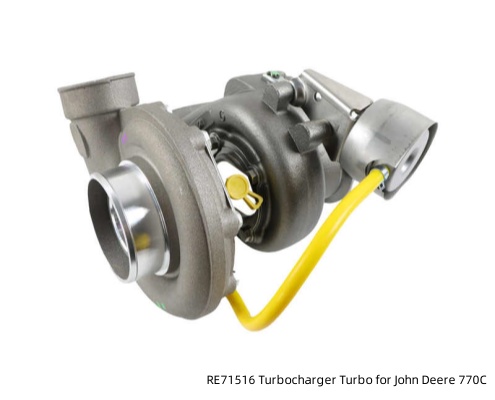
What Is Turbo Whistle

What Is Turbo Whistle?

Even a turbocharger in good condition makes noises, because it’s a turbine spinning hundreds of thousands of revolutions per minute. The background noise associated with the airflow is completely normal. However, the design of the intake lines and air filter housing typically ensures that the driver hears almost nothing from the turbo. If a new turbocharger immediately has big noises, like whistling, rattling, or rasping, then usually the issue can be found in the turbo’s surroundings.

The Difference Between Turbo Whistle,Turbo Chirp (Go-Stututu) And Turbo Flutter

Turbo Whistle, Turbo Chirp (or Go – Stututu), and Turbo Flutter are three distinct sound phenomena generated by turbochargers.

Turbo Whistle: 

Turbo whistle refers to the sharp whistle produced by a turbocharger when it is operating, resembling the sound of wind blowing through a whistle. This sound is typically caused by the high-speed airflow passing through the turbocharger.

Turbo Chirp (or Go-Stututu):

Turbo chirp is a sharp sound emitted during turbocharger offloading, resembling the sound “Stututu.” This sound is typically caused by the release of air pressure from the turbocharger’s Blow-Off Valve or bypass valves , especially during high-speed offloading or deceleration.

Turbo Flutter:

Turbo flutter is a sound phenomenon produced by the turbocharger during deceleration or offloading, resembling a “chattering” or “hissing” sound. This sound is usually caused by the incomplete or untimely release of pressure by the turbocharger’s Blow-Off Valve.  Excessive turbo flutter can have negative consequences.

What Makes a Turbo Whistle?

The main reason a turbocharger produces a whistle is the high-speed flow of air passing The air passes through the turbocharger’s blades, it creates a high-speed flow, similar to the sound of wind blowing through a whistle. This sound, commonly known as turbo whistle, is a normal phenomenon when the turbocharger is operating.

What does a turbo whistle sound like?

The sound of turbo whistle can be described as high-frequency, sharp, and crisp, similar to the sound of wind blowing through a small whistle, but deeper and more powerful than a regular whistle. It typically has a sustained and stable tone that varies with the engine speed, and may become more pronounced during high-speed operation.

8 Reasons Your Turbo Is Whistling Louder Than Usual

Worn Out Or Damaged Turbine Bearings:

Turbine bearings may fail due to friction, wear, or aging of the oil over prolonged operation. Bearing failure leads to increased clearance between bearings, resulting in friction and vibration during turbine rotation, thus generating whistling sounds.

Intake Or Exhaust System Leaks:

Leaks in the intake or exhaust systems, such as damaged seals or gaskets at pipe connections, cause pressure loss and gas leakage. This pressure loss affects the normal operation of the turbocharger and may lead to the generation of turbo whistle.

Vacuum Hose:

If there’s a leak or a loose connection in the vacuum hose linked to the wastegate or other components, it may cause irregular boost pressure and affect the turbocharger’s performance. This turbulence in the intake and exhaust systems can generate a noticeable whistling sound. It’s crucial to regularly inspect and maintain the vacuum hoses to ensure the turbocharger operates correctly and to avoid any unexpected noises.

Turbocharger Wastegate:

The wastegate of a turbocharger is responsible for controlling the boost pressure. If the wastegate malfunctions, is damaged, or improperly adjusted, it may result in pressure leaks or excessively high boost pressure, leading to turbo whistle.

Blockages:

Carbon buildup, deposits, or foreign objects inside the turbocharger can obstruct airflow, increasing the turbocharger’s load and causing it to operate abnormally, resulting in whistle noises.

Loose Or Damaged Heat Shields:

If the heat shields surrounding the turbocharger become loose or damaged, heat may dissipate unevenly. This can alter the turbocharger’s operating temperature and performance, leading to the occurrence of whistling sounds.

Depressurization Of The System:

A decrease in system pressure may result from the failure of other components in the exhaust or intake system, such as pressure valves or pressure sensors, leading to unstable pressure control.

Compressor Wheel Damage:

Damage to the compressor wheel may cause unstable or uneven airflow, resulting in turbo whistling.

Is It Normal For A Turbo To Whistle?

It is normal for a turbocharger to emit a slight whistling noise in many cases. This sound is typically caused by the high-speed flow of air passing through the turbocharger. Turbochargers work by compressing air to enhance engine performance, so during normal operation, they introduce a significant amount of air and generate high-speed airflow. When this airflow passes through the turbocharger blades, it creates a sound similar to wind blowing through a whistle, typically a subtle, continuous, and stable whistle. Therefore, slight turbo whistling is often considered a normal engine operating sound and does not usually require particular concern in many cases. However, if the turbo whistle becomes very loud or other abnormal noises occur, it may necessitate inspection and maintenance to ensure the turbocharger’s proper operation.

Can You Drive With A Whistling Turbo?

You can drive with a slight whistling noise from the turbocharger. A slight turbo whistle is usually considered a normal engine operating sound and typically does not affect driving safety. However, if the turbo whistle becomes very loud or other abnormal noises occur, it may require inspection and maintenance to ensure the turbocharger’s proper operation. During driving, it is advisable to remain vigilant and, if any abnormal conditions are noticed, to promptly stop and inspect the vehicle, taking necessary measures.

Aprilparts has been engaged in mechanical engineering components for 12 years. We can supply a large quantity of various engine parts and hydraulic components. If you need to purchase, please contact us, and we will be dedicated to serving you.

What Are the Applications Of Hydraulic Motor

What  Is  Hydraulic Motor?

A hydraulic motor is a mechanical device that transforms hydraulic pressure and flow into torque and rotational movement. It serves as the rotary equivalent of a hydraulic cylinder, which functions as a linear actuator. Originally, the term “hydraulic motors” encompassed devices running on hydropower, including water engines and water motors. However, in contemporary usage, it typically denotes motors integrated into closed hydraulic circuits within modern hydraulic machinery.

Why Is Hydraulic Motor Better Than Mechanical?

Hydraulic motors are better than mechanical motors for several reasons. Firstly, hydraulic systems rely on fluid transmission of power,  allowing them to generate significant force in relatively small spaces,  making them ideal for tasks involving heavy lifting. Secondly, hydraulic systems can provide a constant application of force as they use  incompressible fluid, maintaining consistent force output throughout the extension and compression of a piston, and can quickly reverse force  direction without abrupt stops. Additionally, hydraulic systems are easy to control, operated with the push of a button, enabling users to  swiftly adjust piston speed and range. In contrast, mechanical systems  operate at fixed rates and adjusting them can be cumbersome.

How Are The Main Types Of Hydraulic Motors?

Vane Motors:

 Vane motors are comprised of rotating vanes arranged around an external drive shaft. When hydraulic fluid enters the motor, hydraulic pressure causes the vanes to move closer to the housing, generating rotational motion. This type of hydraulic motor features a simple structure and lower cost, but comparatively lower speed and torque output.

Gear Motors:

 Gear motors consist of two or more gears, and the flow of hydraulic fluid causes the gears to rotate. They typically offer higher speed and torque output compared to vane motors but are more complex and produce more noise.

Piston Motors: 

Piston motors utilize pistons within cylinders to achieve rotation. When hydraulic fluid is applied to the pistons, they move within the cylinders, generating rotational motion. This type of hydraulic motor usually offers higher speed and torque output, suitable for applications requiring greater power output.

Radial Piston Motors:

Radial piston motors have pistons arranged radially perpendicular to the motor axis. When hydraulic fluid is applied to the pistons, they move along the motor axis, generating rotational motion. This type of hydraulic motor typically offers high speed and torque output, whics is suitable for high-performance and high-power equipment.

What Are The Advantages And Disadvantages Of Hydraulic Motor?

Advantages Of Hydraulic Motors:

High Power Density: 

Hydraulic Motors can generate significant force in a relatively small space, making them suitable for applications requiring high power output.

Smooth Operation:

Hydraulic systems provide smooth and precise movement, allowing for precise control over machinery and equipment.

Remote Operation:

Hydraulic systems allow for remote operation of machinery and equipment, as pumps and actuators can be located at a distance from each other.

Safety:

Hydraulic systems can handle heavy loads safely and efficiently, reducing the risk of accidents and injuries.

Disdvantages Of Hydraulic Motor:

Potential for Leakage:

Hydraulic systems are susceptible to leaks, which can result in loss of hydraulic fluid and reduced system efficiency.

Complexity:

Hydraulic systems can be complex to design, install, and maintain, requiring specialized knowledge and expertise.

Fluid Contamination: 

Hydraulic systems are sensitive to contamination, which can cause damage to pumps, valves, and other components.

Noise:

Hydraulic motors can produce noise during operation, which may be undesirable in certain environments.

The Applications of Hydraulic Motor

Industrial machinery:

Hydraulic motors are used to drive conveyor belt systems, presses, and machine tools.

Construction equipment:

Equipment such as excavators, bulldozers, and cranes use hydraulic motors to move and operate.

Agricultural machinery:

Tractors, harvesters, and irrigation systems, all utilize hydraulic motors to perform various tasks on the farm.

Automobile:

The power steering system and hydraulic brake system of automobiles use hydraulic motors.

Ships:

Winches, steering gear systems and propulsion systems on ships are usually driven by hydraulic motors.

Aerospace:

Hydraulic motors are used in aircraft landing gear and flight control systems.

Mining equipment:

Such as drill rigs, crushers and conveyor belts, all use hydraulic motors in mining operations.

Renewable energy:

Hydroelectric power plants, use hydraulic motors to generate electricity from flowing water.

Material handling:

Equipment used to lift and move heavy objects, such as forklifts, cranes, and cranes, often use hydraulic motors.

Entertainment facilities:

Hydraulic motors are often used to control movement in amusement equipment and stage equipment in theme parks.

Considerations When Choosing a Hydraulic Motor

Load Requirements: 

Evaluate the size and type of load that the hydraulic motor needs to bear, and choose a motor model and specification that suits the load requirements.

Motor Type: 

Based on application requirements and performance characteristics, select the appropriate type of hydraulic motor, such as vane, gear, piston, or radial piston motors.

Installation and Repair:

Evaluate the ease of installation and repair of the hydraulic motor, and choose a product that is easy to install and repair to reduce installation time and repair difficulties.

Size and Weight:

Select a hydraulic motor with appropriate size and weight according to application space and assembly requirements to ensure compatibility with existing equipment layout and restrictions.

Motor Design: 

Understand the design features and structure of the hydraulic motor, and choose a design that meets application requirements to improve performance and reliability.

Maintenance Servicing Required: 

Consider the maintenance and servicing requirements of the hydraulic motor, and choose a product that is easy to maintain and service to reduce downtime and repair costs.

Leakage Potential: 

Consider the sealing performance and leakage risk of the hydraulic motor, and choose a product with good sealing performance to prevent hydraulic system leaks and maintain system efficiency.

Noise Level: 

Assess the noise level of the hydraulic motor and choose a product with low noise to reduce noise interference in the work environment.

Life Span and Reliability:

Understand the expected lifespan and reliability indicators of the hydraulic motor, and choose a product with good performance and long-term stable operation to reduce maintenance and replacement costs.

Working Environment:

Consider factors such as temperature, humidity, and pressure in the application environment, and choose a durable hydraulic motor with strong adaptability.

Safety: 

Ensure that the selected hydraulic motor meets relevant safety standards and regulations to ensure safety during use.

Cost and Budget: 

Consider the price, performance, and quality of the hydraulic motor, and choose the product that best fits the budget and requirements.

Aprilparts has been engaged in mechanical engineering components for 12 years. We can supply a large quantity of various engine parts and hydraulic components. If you need to purchase, please contact us, and we will be dedicated to serving you.

What Is Turbo Flutter

What Is Turbo Flutter?

Turbo flutter is typically caused by the obstruction or reversal of airflow to the compressor, rather than entering the turbocharger as expected. Turbo Flutter can potentially affect the performance of the turbocharger and even lead to damage, so timely measures need to be taken for repair or adjustment.

Is Turbo Flutter Bad?

Turbo Flutter is bad because it can cause damage to the turbocharger or reduced performance. When a turbocharger makes this type of noise when shifting gears or slowing down, it usually means that the airflow is blocked or reversed, rather than going into the turbocharger the way it’s supposed to. This may cause unstable rotation of the turbine wheel, increase wear on the wheel and bearings, and ultimately affect the life and performance of the entire turbocharger. Therefore, in order to ensure the reliability and durability of the car engine, Turbo Flutter should be avoided as much as possible, and the system should be inspected and maintained in a timely manner.

What Causes Turbo Flutter

Turbo Flutter is usually caused by the airflow from the compressor being blocked or reversed. When the driver releases the accelerator or shifts gears, the turbocharger’s compressor is still rotating, but due to the reduction of gas in the cylinder, the airflow is blocked or reversed, resulting in this phenomenon. This may be caused by the boost valve closing too quickly, design issues with the boost piping, or other boost system failures. Therefore, to avoid Turbo Flutter, you need to ensure that the design and operation of the boost system are correct, and that maintenance and repairs are performed promptly to maintain normal airflow dynamics.

Here are some possible factors that can cause turbo flutter on a turbocharger:

Turbine Inertia:

Excessive turbine inertia may cause the turbocharger to be unable to decelerate quickly when decelerating or shifting gears, resulting in reverse air flow, resulting in Turbo Flutter.

Booster System Design:

There may be design flaws in the booster system, such as improper layout of the booster pipeline, excessive closing speed of the booster valve, etc. These problems may cause air flow to be blocked or reversed, causing Turbo Flutter.

Booster System Failure: 

Component failure or damage in the booster system, such as booster valves, compressors, or booster pipes, may lead to unstable airflow dynamics, causing Turbo Flutter.

Do All Turbos Flutter

Turbo Flutter doesn’t come with all turbos. In fact, most modern turbochargers are designed and tuned to minimize or avoid the occurrence of Turbo Flutter. Manufacturers typically take steps to ensure that the supercharging system is designed and tuned to minimize airflow obstructions or reverse flow, thereby avoiding unstable airflow dynamics in the turbocharger.

Effects Of Turbo Flutter

The Influence of Turbo Flutter can be divided into advantages and disadvantages.

Advantages of Turbo Flutter:

Sound Effects: 

For some vehicle enthusiasts, the Turbo Flutter’s sound effects may be seen as an attractive feature that adds to the driving pleasure and personalization of the experience.

Supercharge feeling: 

Turbo Flutter may provide a more obvious supercharge feeling, making the driver feel the changes in the car’s power more intuitively.

Disadvantages of Turbo Flutter:

Performance Impact:

Turbo Flutter may cause reduced turbocharger performance, reducing engine power output and efficiency.

Booster system damage:

Frequent Turbo Flutter may cause damage to the booster system, including early wear or failure of booster valves, compressor blades or other components.

Poor driving experience: 

For some drivers, the sound of Turbo Flutter may be seen as unpleasant or disruptive to driving, affecting driving comfort and experience.

What Is A Blow-Off Valve

Blow-Off Valve (BOV) is a component commonly used in turbocharged and supercharged engines. Its main function is to release excess boost pressure in the intake system when the throttle is suddenly closed, such as when shifting gears or lifting off the accelerator.

When the throttle closes quickly, such as when changing gears, the turbocharger or supercharger continues to push air into the intake system, creating a surge of air with increased pressure. Without a blow valve, this pressure-increased air would have nowhere to escape, causing it to back up and potentially damage the turbocharger or intercooler.

The blow valve releases excess pressure by opening a valve, allowing it to be vented to the atmosphere or recirculated back into the intake system before it reaches the turbocharger. This helps prevent compressor surge, relieves stress on turbocharger components.

In addition to their functional purpose, blower valves are often equipped with springs and adjustable settings to control the pressure at which they open to suit different engine settings and driving conditions.

What Is A Wastegate?

The wastegate is used to control the boost pressure of a turbocharger, usually used in turbocharged engines. Its main function is to adjust the working pressure of the turbocharger to ensure that after reaching the preset maximum boost pressure, the exhaust gas is discharged into the exhaust system without continuing to increase the pressure.

Wastegates are divided into two types: built-in wastegate (Internal Wastegate) and external wastegate (External Wastegate):

Internal Wastegate: 

The internal wastegate is a part directly connected to the turbocharger and is usually integrated inside the turbocharger housing. It controls the rotational speed and pressure output of the turbocharger by regulating exhaust gas flow. One advantage of built-in wastegates is their ease of installation, as they are integrally integrated with the turbocharger, requiring no additional piping or installation space. However, due to its design limitations, a built-in wastegate can create limitations in high-power applications, limiting its ability to regulate.

External Wastegate: 

The external wastegate is an independent device, usually installed at the exhaust outlet of the turbocharger and connected to the exhaust pipe. The external wastegate releases exhaust gases into the exhaust system through a separate pipe, independent of the turbocharger’s compressor. This allows the external wastegate to have greater adjustment range and precision, as it can more effectively control the turbocharger’s operating pressure. Additionally, an external wastegate makes it easier to implement additional boost control strategies, such as a dual-supercharger setup or inter-supercharger balance adjustment.

How To Make Turbo Flutter

The simplest way to achieve turbo flutter is by removing the  blow-off valve from the vehicle. However, no mechanic would recommend doing this, as it poses a significant risk of damage, especially if you have a small, low-pressure turbocharger. In the long run, you would also increase engine load and decrease system reliability. If you’re looking for the best turbo flutter that also benefits your engine, an upgraded blow-off valve might be your best option.

How To Prevent Turbo Flutter

To prevent turbo flutter, here are some suggestions:

Proper Installation Of A Blow-Off Valve (BOV): 

Installing a blow-off valve is one of the most effective ways to prevent Turbo Flutter. The blow-off valve releases excess boost pressure during gear changes or deceleration, preventing unnecessary pressure buildup and potential damage to the turbocharger impeller.

Regular Maintenance And Inspection:

 Regular maintenance and inspection of the turbocharging system are key to preventing Turbo Flutter. Ensure that all components of the system, including the turbocharger impeller, wastegate, and pressure relief valve, are in good working condition, and replace worn parts as needed.

Avoiding Overboosting: 

Avoid operating the engine outside the turbocharger’s operating range, especially at high engine speeds and loads. This can help reduce the chances of the turbocharger experiencing excessive pressure, thus minimizing the risk of Turbo Flutter.

Avoiding Frequent Rapid Throttle Changes:

Frequent rapid changes in throttle position can increase the risk of Turbo Flutter. Drive smoothly and avoid excessive throttle input and sudden deceleration to reduce instability in the turbocharging system.

Adjusting Turbocharging System Settings:

Adjusting the settings of the turbocharging system according to the engine’s performance requirements and operating conditions can help reduce the risk of Turbo Flutter. This includes adjusting the opening pressure of the wastegate and the settings of the blow-off valve to ensure that the turbocharger operates properly under various conditions.

Aprilparts has been engaged in mechanical engineering components for 12 years. We can supply a large quantity of various engine parts and hydraulic components. If you need to purchase, please contact us, and we will be dedicated to serving you.

What Are The Symptoms Of A Bad Hydraulic Pump

What is a hydraulic Pump?

A hydraulic pump utilizes the force of pressurized fluid to move objects. Its applications across various fields such as  manufacturing, agricultural production, mining, and water treatment. 

Quick links to Hydraulics Pumps Information

Types of Hydraulic Pumps

How Hydraulic Pumps Work

What Causes A Bad Hydraulic Pump?

Aeration:

Air entering the hydraulic system can lead to unstable pump operation or abnormal noise.

Cavitation:

Formation of air bubbles in the hydraulic fluid under high pressure can create shock waves upon collapse, damaging internal pump components.

Fluid incompatibility:

Mixing different types of hydraulic oils can cause chemical reactions or sedimentation, affecting pump operation.

Viscosity:

Inappropriate viscosity of hydraulic oil can decrease pump efficiency or lead to unstable operation.

Oil type:

Using unsuitable types of hydraulic oil can result in hydraulic system faults or decreased pump performance.

Overpressurization:

Applying excessive pressure to the hydraulic system can damage internal pump components or cause leaks.

Incorrect pressure:

Improper hydraulic system pressure settings can lead to pump overload or decreased performance.

Poor plumbing:

Improperly installed or poorly designed hydraulic system piping can cause pressure loss or abnormal pump operation.

Pump speed:

Excessively high or low hydraulic pump speeds can lead to unstable hydraulic system operation or decreased performance.

What are the Symptoms of a Bad Hydraulic Pump?

Water Contamination:

Ingress of water into hydraulic fluid may result in hydraulic system failure, corrosion, or oxidation of internal pump components, necessitating regular inspection and replacement of hydraulic fluid to maintain system operation.

Failing Seals:

Seal failure in the pump may cause internal or external leaks or oil contamination, requiring timely replacement to ensure the sealing integrity and performance of the hydraulic system.

Slow Performance:

Decreased hydraulic pump speed or unstable pressure output may indicate internal component wear or seal failure, requiring timely repair to restore the pump’s normal operation.

Abnormal Noise:

Unusual noises during hydraulic pump operation may indicate internal component wear, damage, or looseness, requiring prompt repair to prevent further damage.

Internal Leakage:

Internal seal failure or component wear in the hydraulic pump may cause hydraulic fluid to leak inside the pump, affecting the pump’s performance and pressure output.

External Leakage:

Oil leaking from the pump’s exterior may indicate seal failure or component wear, requiring prompt repair to prevent pressure loss in the hydraulic system and wastage of hydraulic fluid.

Heat Degradation:

Excessive heat generated during hydraulic pump operation may lead to degradation of hydraulic oil, affecting the performance of the hydraulic system and the pump’s lifespan.

Changed Hydraulic Fluid Color:

 If the color of hydraulic fluid changes, such as becoming cloudy or dark, it may be due to internal pump component wear or contamination, necessitating timely replacement of hydraulic fluid and repair of pump components.

What is the Influence of A Bad Hydraulic Pump?

A bad hydraulic pump can have several significant influences, impacting both equipment performance and operational costs:

Reduced Efficiency:

A malfunctioning hydraulic pump may lead to decreased efficiency in hydraulic systems, resulting in slower operation, reduced productivity, and increased energy consumption.

System Downtime: 

Failure of a hydraulic pump can cause unplanned downtime, halting operations and leading to production delays. This can result in lost revenue, missed deadlines, and decreased customer satisfaction.

Increased Maintenance Costs:

 Addressing issues caused by a bad hydraulic pump often requires repairs or replacement of components, increasing maintenance costs. Additionally, extended downtime for repairs can result in further financial losses.

Safety Risks:

Malfunctioning hydraulic systems pose safety hazards to operators and equipment. Sudden failures or leaks can lead to accidents, injuries, and damage to machinery or surrounding infrastructure.

Component Wear:

A faulty hydraulic pump can cause accelerated wear and tear on other system components, such as valves, cylinders, and hoses. This increases the likelihood of additional failures and the need for more frequent maintenance.

Environmental Impact: 

Hydraulic fluid leaks from a bad pump can contaminate soil, water sources, or the surrounding environment, posing environmental risks and potential regulatory fines.

How To Maintenance Hydraulic Pumps

Regularly Inspect Hydraulic System:

Regularly inspect all components of the hydraulic system, including pumps, valves, pipes, and connectors, to ensure they are free from leaks, wear, or damage.

Keep hydraulic fluid clean:

 Regularly replace hydraulic fluid and use filters to maintain the cleanliness and proper viscosity of the hydraulic fluid. Contaminated hydraulic fluid can accelerate wear on pumps and system components.

Check Seals: 

Regularly inspect seals in hydraulic pumps and systems to ensure they are not aged, damaged, or loose. Seal issues may lead to leaks and decreased performance.

Keep Pump Clean: 

Regularly clean the surface of hydraulic pumps to ensure there is no accumulation of dirt or oil stains. A clean pump surface helps dissipate heat and maintain system operation.

Repair Oil Leaks Promptly: 

If oil leaks are detected in pumps or hydraulic systems, repair them promptly to prevent wastage of hydraulic fluid and decrease in system performance.

Regular Lubrication:

Lubricate lubrication components in hydraulic pumps and systems regularly according to manufacturer’s recommendations to reduce friction and wear.

Regularly Check Pressure: 

Regularly check the pressure settings of hydraulic systems to ensure they are within the appropriate range. Excessive or insufficient pressure can damage hydraulic systems.

Regular Maintenance:

 Perform regular preventive maintenance according to manufacturer’s recommendations, including cleaning, lubrication, replacement of parts, and tightening of bolts.


Aprilparts has been engaged in mechanical engineering components for 12 years. We can supply a large quantity of various engine parts and hydraulic components. If you need to purchase, please contact us, and we will be dedicated to serving you.

How Much Horsepower Does A Turbo Add?

What Is Horsepower (HP)?

Horsepower (hp) is a unit of measurement of power. One horsepower is approximately equivalent to 745.7 watts (W). Horsepower originates from the work of the 19th-century British engineer James Watt. Watt used it to measure the power of steam engines.

How Much Horsepower Does A Turbocharger Add?

For decades,turbochargers have been on the market and their use has grown steadily since mass adoption.To improve torque output and fuel efficiency, turbochargers are an essential asset.Turbochargers particularly useful for diesel engines, because it provides denser air which helps to compress.Generally speaking, turbocharger could potentially boost 70-150 horsepower. However, It depends on various factors. If you need an accurate figure, consult experts, certified technicians or mechanics.

What Are The Factors That Influence How Much Hp Does A Turbo Add?

Turbocharger Size And Design:

Turbocharger size: 

The choice of turbocharger size directly affects its boosting effect and power output. A larger turbocharger produces more flow of compressed air and increases gas pressure within the combustion chamber, resulting in more horsepower gains. Typically, larger turbochargers achieve higher horsepower output.

Turbocharger Design: 

The design of a turbocharger also has a significant impact on increasing horsepower. Turbochargers of different designs have different performance and efficiencies. A high-performance turbocharger can provide higher air pressure, thereby increasing the gas pressure in the combustion chamber and achieving greater horsepower gain.

If a turbocharger component, such as the compressor or turbine, does not match the requirements of other components, the turbocharger’s air flow will be restricted. A smaller compressor will struggle to provide enough air intake to match the capacity of a larger turbine. Therefore, the components of the turbocharger need to be compatible with each other and have matching performance to achieve the best boost effect.

Engine Size And Configuration:

Engine size and displacement affect the effectiveness of the turbocharger. Smaller engines may benefit more from a turbocharger, as the turbine can increase pressure more quickly, increasing power output.

Fuel System: 

An efficient fuel system ensures that the engine is getting enough fuel to match the increased air volume of the turbocharger. If the fuel system can’t keep up with demand, the boost system may not work to its fullest potential.

Intercooling System: 

The intercooler helps cool the compressed air, increasing its density, thereby increasing power output. An effective intercooling system allows the turbocharger to work more efficiently, providing more Power.

Exhaust system: 

The design of the exhaust system directly affects the efficiency of the turbocharger. By reducing exhaust restriction and increasing exhaust flow, the turbocharger’s response time can be reduced and increase its power output .

How To Boost Horsepower Of The Engine

High Quality Engine Parts: 

Using high-quality parts improves your engine’s durability and performance. High-quality components such as pistons, connecting rods, crankshafts, and cylinder heads can better withstand the effects of boost pressure, thereby improving the engine’s boost capability

High Quality Fuel: 

High-quality fuel provides better combustion efficiency, thereby increasing the engine’s power output. Using high-quality fuel reduces knock and pre-ignition, allowing the engine to withstand higher boost pressures.

Engine Displacement: 

Larger displacement engines are generally better able to withstand the effects of boost pressure. Increasing engine displacement increases the engine’s torque output and power and makes it more suitable for high-boost applications.

Intercooling:

An intercooler helps reduce the temperature of the charge air, thereby increasing its density and power output. By using an efficient intercooling system, the engine can better adapt to the requirements of high boost pressure.

Exhaust Flow: 

Optimizing the exhaust system can improve engine exhaust flow and reduce exhaust backpressure.

Reduce weight:

Reducing the overall weight of the vehicle reduces the load on the engine, making it easier to handle high boost pressures. Through the use of lightweight materials and streamlined design, the weight of the vehicle can be reduced and the engine’s boost performance can be improved.

Aprilparts has been engaged in mechanical engineering components for 12 years. We can supply a large quantity of various engine parts and hydraulic components. If you need to purchase, please contact us, and we will be dedicated to serving you.

What Are the Differences Between Turbocharger And Supercharger?

Sometimes there’s a little confusion between the turbocharger and the supercharger, because the presence of “chargers” in their names making it easy to perceive turbochargers and superchargers as interchangeable engine components.But there are a few important differences, and they’re at different ends of the vehicle spectrum.

What Is Turbocharger?

A turbocharger is a device that increases the efficiency and power output of an internal combustion engine by compressing the air entering the combustion chamber. It consists of a turbine connected to a compressor, both of which are housed in a single unit. The turbine is driven by exhaust gases from the engine, which spin the compressor, compressing the intake air and delivering it to the engine at a higher pressure. This compressed air allows for more fuel to be burned, resulting in increased power and efficiency compared to a naturally aspirated engine. Turbochargers are commonly used in both gasoline and diesel engines to improve performance.


Quick Links To Turbocharger Information

Turbocharger Types
How Much Horsepower Does A Turbo Add
Differences Between Twin Scroll Turbo And Twin Turbo
Turbo Failures
Turbo Flutter

What Is Supercharger?

A supercharger is a forced induction system used in internal combustion engines. It directly increases engine power by compressing intake air with power from the engine’s crankshaft.

What Are The Difference Betwween Turbocharger And Supercharger?

How to Install turbocharger and supercharger?

Installing a turbocharger involves mounting it onto the exhaust manifold, connecting oil lines for lubrication, and installing intake and exhaust piping. Tuning is then necessary for optimal performance. Installing a supercharger entails mounting it onto the engine block or intake manifold, installing drive belts, and potentially an intercooler. Tuning is also required for best results. Professional expertise is advised for both installations.

Which is more efficient, turbocharger or supercharger?

You’re more likely to find a fuel efficient vehicle powered by a turbocharger than a supercharger.

One the one hand, turbochargers utilize waste energy from the engine’s exhaust gases to power the turbine, while superchargers are typically belt-driven and draw power directly from the engine. This means that turbochargers do not consume engine power to operate, making them more efficient in terms of power delivery. On the other hand, turbochargers often offer better control over boost pressure through wastegates and variable geometry turbines, allowing for more precise tuning and optimization of engine performance.

Which is louder turbocharger or supercharger?

In general, superchargers tend to produce more audible noise compared to turbochargers. 

This is because superchargers are directly connected to the engine’s crankshaft and operate at engine speed, causing them to produce a whining or whistling sound that increases with engine RPM. On the other hand, turbochargers are driven by exhaust gases and can be quieter, especially at lower engine speeds. However, some turbocharged setups, particularly those with larger turbos or modified exhaust systems, can produce noticeable turbocharger whine or spooling sounds. Ultimately, the perceived loudness of either system can vary depending on factors such as the type of supercharger or turbocharger, the design of the intake and exhaust systems, and any aftermarket modifications.

Which is response quickly turbocharger or supercharger?

Superchargers typically offer quicker throttle response compared to turbochargers. Here’s why:

Instant Power: Superchargers are mechanically driven by the engine’s crankshaft, so they generate boost and provide immediate power delivery as soon as the engine is running. There’s no lag time waiting for exhaust gases to spool the turbine, as with turbochargers.

Direct Power Delivery: Since superchargers are belt-driven and connected directly to the engine, they respond instantly to changes in throttle input. As soon as you press the accelerator, the supercharger begins to spin faster, increasing airflow and delivering power to the engine without delay.

No Lag: Turbochargers rely on exhaust gases to spin the turbine, which can cause a delay in power delivery known as turbo lag. This lag is typically more noticeable at lower engine speeds or when initially accelerating from a standstill. In contrast, superchargers don’t suffer from this lag, providing immediate throttle response across the engine’s rpm range.

Overall, if immediate throttle response and instant power delivery are priorities, a supercharger may be a preferable option over a turbocharger.

Which is cheaper to maintenance turbocharger and supercharger?

In general, turbochargers tend to be cheaper to maintain compared to superchargers. Here’s why:

Simplicity: Turbocharger systems typically have fewer moving parts compared to superchargers. Turbochargers consist mainly of a turbine, compressor, and associated plumbing, whereas superchargers include additional components such as belts, pulleys, and bearings for the drive system. This simplicity often translates to lower maintenance costs for turbochargers.

No Belts: Turbochargers are not belt-driven like superchargers, so there’s no need to regularly inspect, adjust, or replace belts. Belt-driven superchargers require periodic maintenance to ensure proper tension and alignment, as well as replacement if they wear out or break.

Less Heat: Turbochargers tend to generate less heat compared to superchargers since they are not directly connected to the engine’s crankshaft. Excessive heat can accelerate wear on components and increase the likelihood of failures, so lower heat generation can contribute to reduced maintenance costs.

Long Service Time: Turbochargers are often more durable and have longer service intervals compared to superchargers. With proper maintenance and care, turbochargers can last the life of the vehicle, whereas superchargers may require more frequent servicing or replacement over time.

Overall, while both turbochargers and superchargers require some level of maintenance, turbocharger systems typically have lower maintenance costs and longer service intervals compared to superchargers.

What are the applications of turbochargers and supercharger?

Turbochargers are commonly used in automotive and some aerospace filed, while superchargers are commonly used in high-performance cars and some motorcycles.

Conclusion

Turbocharger is a better choice for those who want to balance performance with fuel economy and efficiency.Supercharger is more likely to be the way to go for those who are more interested in a simple solution for raw power.

Aprilparts has been engaged in mechanical engineering components for 12 years. We can supply a large quantity of various engine parts and hydraulic components. If you need to purchase, please contact us, and we will be dedicated to serving you.

6 Most Common Types Of Turbochargers

Turbochargers increases the intake air volume and pressure of an engine by harnessing the kinetic energy of the engine’s exhaust gas flow. It consists of two main components: the turbine and the compressor.In order to increase the engine’s output power and efficiency, exhaust gases are forced into a turbine rotor which allows it to spin and move its centrifugal pressurizer that squeezes massive amounts of air onto an engine for delivery.In particular,in mountainous regions or applications that require more power, turbochargers can make a significant contribution to engine performance.

What Are The Common Types Of Turbo?

Single Turbo

 A single turbocharger system consists of only one turbocharger. Diesel vehicles and some gasoline vehicles commonly employ single turbochargers. Single turbos are driven by exhaust gas flow, thereby increasing the engine’s power and efficiency.

Applications:

Widely used in gasoline and diesel engines, including various types of vehicles such as sedans, trucks, SUVs.

Twin Scroll Turbo

A twin scroll turbocharger features two separate intake passages and turbines. This design reduces interference between turbines and enhances engine responsiveness and efficiency. Twin scroll turbos are typically used in high-performance cars and diesel engines.

Applications:

Typically found in high-performance cars and some high-performance diesel engines.

Variable Geometry Turbo(VGT Turbo)

VA variable geometry turbocharger has adjustable turbine inlet vanes that can adjust the turbine’s geometry based on engine load and speed. This design optimizes boost performance under different conditions, improving low-end torque and high-end power. Variable geometry turbos are commonly used in modern diesel engines and high-performance cars.

Applications:

 Widely used in modern diesel engines, including passenger cars, commercial vehicles, agricultural machinery.

Electric Turbochargers

 Electric turbochargers drive the turbine using an electric motor rather than exhaust gas flow. This design offers quicker response times and a broader operating range, particularly suitable for turbocharging systems in hybrid vehicles and electric cars.

Applications: 

Mainly used in turbocharging systems for hybrid vehicles and electric cars.

Sequential Turbo

A sequential turbocharger system has two or more turbos of different sizes, with one turbo operating at low speeds and the other at high speeds. This design provides smooth power delivery and a wide torque curve to adapt to various driving conditions and demands.

Applications:

Common in high-performance cars, especially turbocharged performance models.

Wastegate Turbochargers

Wastegate turbochargers control turbine speed and boost pressure using a wastegate. The wastegate regulates exhaust gas flow to prevent turbine overspeed and limit boost pressure. This design ensures the engine receives adequate boost under all conditions and prevents damage from excessive pressure.

Applications: 

Virtually all turbocharged engines are equipped with wastegates.

When Choosing Turbochargers, What should be Considered:

Engine Requirements:

 First and foremost, it’s essential to consider the performance needs of the engine, including desired power and torque output. Depending on the engine’s design and anticipated usage conditions, selecting a suitable turbocharger to meet these requirements is crucial.

Operating Environment: 

Consider where the vehicle will be operating. For instance, if it will be operating in high-altitude regions or requires high-altitude performance, a larger turbocharger may be needed to compensate for the thin air.

Brand and Quality: 

Choose reputable brands and turbochargers known for their reliability and quality. Turbochargers of higher quality typically offer longer lifespans and better performance.

Compatibility: 

Ensure that the chosen turbocharger matches other components of the engine and vehicle. This includes considering the turbocharger’s size, intake capacity, and exhaust flow to ensure compatibility with the engine and optimal performance.

Budget:

 Lastly, consider budget constraints. Turbochargers vary widely in price, so it’s essential to find a balance between performance needs and available budget.

Aprilparts has been engaged in mechanical engineering components for 12 years. We can supply a large quantity of various engine parts and hydraulic components. If you need to purchase, please contact us, and we will be dedicated to serving you.

What Are The Differences Between Twin Scroll Turbo And Twin Turbo?

What Is Twin Scroll Turbo?

The twin-scroll turbocharger employs two separate intake passages on a single turbocharger, and divides the airflow via carefully designed intake manifold. This reduces the inertia of the turbocharger, enhances responsiveness at low speeds, and provides a broader torque curve. This design is typically used to improve engine efficiency and performance.

Twin  Scroll turbo  Working Principle:

The twin-scroll turbo system enhances engine performance and responsiveness, especially at low speeds and low loads, by separating the exhaust flow and optimizing the intake design.

Turbocharger layout: Unlike traditional single turbochargers, the twin-scroll turbocharger utilizes two independent intake passages and two exhaust passages, with each turbine connected to one intake and one exhaust passage.

Exhaust flow separation: The engine’s exhaust flow is divided into two parts and directed through separate exhaust passages into the turbocharger. During each exhaust stroke, one portion of the exhaust gases is allocated to one turbine, while the other portion is directed to the other turbine.

Turbocharger operation: The two turbines are arranged in parallel on the same shaft but are designed with different sizes or angles to better accommodate different exhaust flows. This enhances the efficiency and responsiveness of the turbines.

Intake flow merging: Contrary to the exhaust flow, the twin-scroll turbocharger merges the two intake passages into a single intake duct after compressing the air, which is then delivered to the engine’s intake system. This design increases the speed and density of the intake air and optimizes cylinder filling.

Advantages: The primary advantages of the twin-scroll turbocharger are its faster acceleration response and higher torque output at low speeds. By separating the exhaust flow and distributing it to different turbines, this design reduces turbine inertia and improves efficiency. Additionally, the optimized intake flow design can enhance combustion efficiency, further improving engine performance and fuel economy.

What Is Twin Turbo

The twin turbo(also known as bi turbo) consists of two turbochargers, typically with a smaller turbocharger utilized for low-speed and low-load conditions, while a larger turbocharger is employed for high-speed and high-load situations. This setup provides a broader power range and faster power response.

Twin-turbo Working Principle:

The twin turbo system enhances engine performance and efficiency by harnessing the energy of exhaust gases to boost the engine.

Exhaust-driven: When the engine is running, exhaust gases are expelled through the exhaust manifold, and their energy can be used to drive the turbocharger. These exhaust gases are directed to the intake side of the turbocharger.

Turbocharger: Each turbocharger consists of a turbine, which is mounted on a shaft and connected to the exhaust flow. As the exhaust gases flow through the turbine, it begins to rotate. The rotating turbine is connected via the shaft to another turbine, which is also connected to the engine’s intake system.

Boosting: The rotating turbine drives a compressor, which compresses a large volume of air and pushes it into the engine’s intake system. This increases the engine’s oxygen supply, thereby improving fuel combustion efficiency and increasing engine output power.

Dual-turbo design: The two turbochargers in the twin-turbocharging system are typically designed to work in different speed ranges, with one turbine used for low-speed and low-load conditions, and the other for high-speed and high-load conditions. This ensures sufficient boosting effect under different operating conditions, providing a broader power range and faster power response.

What is the difference between Twin Scroll Turbo and Twin Turbo?

A twin scroll turbo is a type of turbo that has two chambers, a twin turbo means two separate turbochargers.

The Application Range Of Twin  Scroll Turbo:

Twin-turbocharging is commonly used in vehicles seeking higher performance

For small and mid-sized cars: Many small and mid-sized cars adopt twin-scroll turbocharging systems to balance performance and fuel economy. These vehicle models typically prioritize low-speed response and fuel efficiency.

For sports cars and performance models: Some sports cars and performance models also employ twin-scroll turbocharging systems to provide smooth power delivery and quicker acceleration response.

For efficient engines: In some vehicles striving for efficiency, such as hybrid vehicles or eco-friendly models, twin-scroll turbocharging systems can help improve fuel economy.

The Application Range Of Twin Turbo:

Twin-scroll turbos are more often utilized in vehicles aiming for a balance between performance and fuel efficiency.

High-performance cars: Many high-performance cars utilize twin-turbocharging systems to provide higher power and acceleration performance. These vehicle models may include supercars, luxury sedans, and high-performance sports cars.

Luxury sedans and SUVs: Some luxury brands of sedans and SUVs adopt twin-turbocharging systems to deliver smoother power delivery and superior driving performance.

Racing cars: In some racing vehicles, especially in endurance races and elite competitions, twin-turbocharging systems can provide the required high power output and performance.

Aprilparts has been engaged in mechanical engineering components for 12 years. We can supply a large quantity of various engine parts and hydraulic components. If you need to purchase, please contact us, and we will be dedicated to serving you.

5 Things You Should To Know About Turbo Failures

What is a Turbocharger?

In an turbochargered engine, a turbocharger (also known as a turbo) is a forced induction device that is powered by the flow of exhaust gases. In order to produce more power for a given displacement, it uses this energy to compress the intake air and force more air into the engine.

How does turbocharger work?

Turbochargers work by using exhaust gases to spin a turbine connected to a compressor. The compressor then pressurizes and delivers more air into the engine, allowing for greater power output through improved combustion.

What causes turbocharger failures?

Oil starvation:

Insufficient lubrication oil supply to the turbocharger can lead to bearing and blade damage due to friction.

Oil contamination:

Contaminants such as impurities, moisture, or chemicals in the lubrication oil can accelerate turbocharger wear and damage.

Foreign objects:

External debris such as sand, dust, or fragments may enter the turbocharger, causing blade or bearing damage.

Wear and tear:

Prolonged usage can gradually wear down various components of the turbocharger, such as bearings, blades, and seals, eventually leading to failure.

Over-speeding:

Turbochargers are designed with maximum speed limits. If the engine operates beyond these limits, the turbocharger may become overloaded, damaging its internal components.

Damaged seals:

Seals play a crucial role in preventing oil leaks and external contaminants from entering the turbocharger. If seals are damaged or aged, turbocharger failure may occur.

What are the symptoms of turbocharger failures?

Loss of power:

Engine losing power is one of the most common symptoms of turbocharger failure. Due to the turbocharger’s inability to provide the expected boost, engine performance decreases, and acceleration response worsens.

Smokey exhaust:

Turbocharger failure may lead to the emission of smokey exhaust from the engine, characterized by black or blue smoke from the exhaust pipe, which may be due to incomplete combustion or oil entering the combustion chamber.

Burning oil:

If the turbocharger seals fail or bearings are damaged, oil may enter the turbocharger’s intake or exhaust side, resulting in burning oil and smoke production, which may also lead to increased engine oil consumption.

Whining turbo:

Damage to internal components or bearing issues in the turbocharger may result in a whining noise, caused by friction between the turbo rotor and bearings.

Check Engine Light:

The Engine Control Unit (ECU) may detect turbocharger failure and alert the driver by illuminating the vehicle’s Check Engine Light.

Boost gauge:

The working pressure of the turbocharger is typically displayed by a boost gauge. If there is an issue with the turbocharger, it may cause unstable or lower-than-normal pressure readings on the boost gauge.

What should you do when turbocharger failures?

Seek assistance:

Contact roadside assistance or a towing service to transport the vehicle to a qualified repair shop or maintenance facility. Attempting to drive a vehicle with a faulty turbocharger can pose risks and may lead to further damage.

Conduct inspection: 

Once the vehicle reaches the repair facility, have a qualified technician inspect the turbocharger and assess the extent of the damage. Technician will give you plans to solve the problem.

Choose Repair Plan:

 Depending on the severity of the turbocharger failure, repairs may range from minor fixes to complete replacement of turbocharger components. Follow the technician’s advice to ensure proper resolution of the issue and ensure safe driving of the vehicle.

Regular maintenance: 

After turbocharger repair or replacement, it’s important to adhere to the maintenance schedule recommended by the vehicle manufacturer. Regular turbo inspections can help prevent future turbocharger failures and prolong the engine’s lifespan.


Aprilparts has been engaged in mechanical engineering components for 12 years. We can supply a large quantity of various engine parts and hydraulic components. If you need to purchase, please contact us, and we will be dedicated to serving you.

3 Most Common Types Of Hydraulic Pumps

Hydraulic pumps, which are indispensable for the proper operation of a hydraulic system, are deceptively complex devices.What’s the different types of hydraulic pumps? How can I choose suitable displacement pumps for my hydraulic system?

Generally speaking, there are three most common pumps:Gear Pump, Piston Pump, Vane Pump.

Gear pump

Gear pump’s working principle is very simple, consisting of a pair of meshing gears, one of which drives the other gear to rotate, forming a pump chamber. When the gear rotates, the volume change of the pump chamber will generate pressure for suction and discharge of liquid.

Gear pump has simple structure and reliable operation, making it suitable for small and medium-sized hydraulic systems and applications with low to medium pressure hydraulic system. Gear pumps can be uesd for many mechanical equipment, such as cranes, excavators, and agricultural machinery. Due to its simple operation and low cost, it is widely chosen for various occasions.

However, gear pumps also have some limitations. Due to the meshing of gears, the flow pulsation generated by the gear pump is relatively large, which may lead to increased vibration and noise in the hydraulic system. In addition, due to the gap between the gears and the pump casing, the efficiency of the pump may be lower and require more frequent maintenance and adjustment. Therefore, when choosing a gear pump, it is necessary to make a reasonable selection and use based on actual work needs and system requirements.

Gear pumps are suitable for many common industrial and mechanical equipment, especially the following popular models:

Excavators and loaders: Excavators and loaders are typically equipped with gear pumps to provide hydraulic power for controlling the actions of hydraulic actuators such as arms, dippers, and buckets.

Hydraulic press: Hydraulic press is widely used in the metal processing and forming industry, and the gear pump is often used as its power source to provide the required hydraulic force and pressure.

Injection molding machine: Injection molding machines use hydraulic systems to drive the opening and closing of molds and injection actions, and gear pumps play a crucial role in these models.

Agricultural machinery: Agricultural machinery such as tractors and harvesters often use gear pumps to provide hydraulic power, used to control various hydraulic actuators, such as lifting devices, steering systems, and hydraulic transmission systems.

Piston Pump

The most common type of pump, and also the most capable of performing complex work tasks, is the piston pump. It’s the hydraulic pumps you’re most likely to find in a production situation.They’re the pumps that will be used in high pressure applications.This configuration allows them to operate under high pressure without affecting the flow rates in any way.

Piston pumps are commonly used in applications that require high pressure and large flow rates, and are suitable for the following popular models:

Hydraulic Excavator: Piston pumps are commonly used in hydraulic excavators to provide the required high-pressure hydraulic power to control the movement of the stick, bucket, and other attachments.

Hydraulic press: In the metal processing industry, Piston pumps are commonly used to drive hydraulic presses, achieving various pressing, forming, and mold operations.

Injection molding machine: Injection molding machines require high pressure to inject molten plastic materials, and the Piston pump provides the enough hydraulic power to ensure the stability and accuracy of the injection process.

Hydraulic ship equipment: Piston pumps are widely used to control  hydraulic systems on marine vessels.

Vane pump

Vane pump utilizes the rotation of Vanes in the pump chamber to generate pressure. The Vane pump operates smoothly and has low noise, it is suitable for small and medium-sized hydraulic systems, such as automotive braking systems and industrial machinery.

One of the advantages of a vane pump is its smooth operation, as the gap between the Vanes and the pump chamber is relatively small. In addition, vane pumps usually have high efficiency because the sealing between the Vanes and the pump chamber is good, resulting in less leakage. However, Vane pumps require a high level of oil cleanliness because the gap between the Vanes and the pump chamber is small and easily affected by pollutants, thus requiring regular maintenance and cleaning.

Automotive braking system: Vane pumps are widely used in automotive braking systems to provide the required hydraulic force to control the movement of automotives.

Industrial machinery: Many industrial machinery equipment such as injection molding machines, extruders, punching machines, etc. use vane pumps to provide hydraulic power, control various movements and operations.

Agricultural equipment: Agricultural equipment such as tractors and harvesters also commonly use vane pumps to provide hydraulic power, used to control the movement of various hydraulic actuators.


Aprilparts has been engaged in mechanical engineering components for 12 years. We can supply a large quantity of various engine parts and hydraulic components. If you need to purchase, please contact us, and we will be dedicated to serving you.